


-

Add: HeBei ShengShi HongBang Cellulose Technology CO.,LTD.
-

Email
13180486930@163.com -

CONTACT US
+86 13180486930

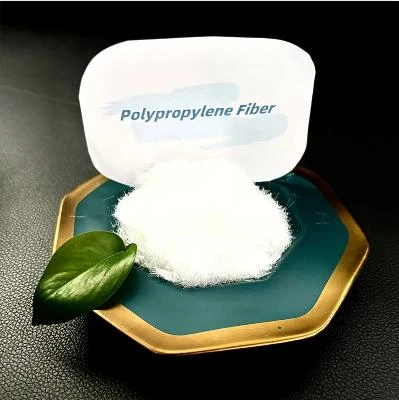



Jute synthetic fiber represents a groundbreaking innovation in the textile industry, blending traditional natural fibers with modern synthetic technology to create a versatile and eco-friendly product. Combining the historical significance of jute with the cutting-edge benefits of synthetic fibers, this blend is revolutionizing the textile realm through durability, environmental sustainability, and economic feasibility. Historically, jute has been a staple natural fiber, known for its strength and biodegradability, extensively used in making ropes, sacks, and coarse cloth. The transition to incorporating synthetic elements aims to overcome some of the limitations inherent in natural jute, such as susceptibility to moisture and its relatively coarse texture. By infusing jute with synthetic fibers, manufacturers have managed to retain the desirable properties of natural jute—such as its biodegradability and strength—while enhancing its resilience to wear and tear and offering a smoother texture. In the realm of experience, consumers and industry experts alike note improvements in the tactile experience of jute synthetic fiber products. Unlike pure jute products, the blended fibers offer enhanced comfort and usability in apparel and home textiles, making them more appealing to a broader audience. Users have reported that jute synthetic fiber maintains its structure and appearance even after prolonged use, offering a longer-lasting alternative to traditional jute products. From an expert perspective, the synthesis of jute with synthetic materials involves advanced technological processes and precise scientific formulations to ensure that the integrity of the natural fiber is maintained while enhancing its properties. Manufacturers are utilizing state-of-the-art technologies like nanotechnology to achieve fiber uniformity and strength. This includes controlling the molecular amalgamation of synthetic polymers with jute at microscopic levels to precisely tailor the fabric’s properties, such as elasticity, texture, and water resistance. jute synthetic fibre The authoritativeness of jute synthetic fiber in the industry is backed by numerous studies and endorsements from environmental organizations. With increasing global emphasis on reducing natural resource exploitation and minimizing environmental footprints, this hybrid fiber addresses crucial sustainability issues. Studies have evidenced that products made from jute synthetic fiber require less water and pesticides during crop cultivation compared to cotton and other natural fibers, and the lifecycle analysis shows a reduction in carbon emissions due to its enhanced durability and recyclability. Trustworthiness comes from the transparent production processes adopted by companies pioneering this material. Leading firms are investing in open-source research and collaborating with environmental NGOs to ensure ethical sourcing and manufacturing processes, thus providing end consumers with products they can trust. Certifications from international textile standard organizations further cement the reliability of jute synthetic fibers as a sustainable choice in an increasingly eco-conscious market. In product-specific applications, jute synthetic fibers are gaining traction in a variety of areas . In the fashion industry, they are used to create eco-friendly clothing and accessories that are not only stylish but come with enhanced longevity and are kinder to the environment compared to conventional materials. In furnishings, they are utilized for making carpets and curtains that combine the rustic appeal of natural jute with the sleek finish and robustness inherent in synthetic fibers. Additionally, this unique fiber blend has found applications in industrial sectors for producing geotextiles, which aid in erosion control and landscaping, offering an economically viable and environmentally sustainable option. Ultimately, the fusion of jute with synthetic fiber is more than just a trend; it’s a response to modern demands for sustainability, performance, and responsibility within the textile industry. As both industries and consumers pivot towards more sustainable choices, jute synthetic fiber stands at the forefront, providing innovative solutions that marry the past's practicality with the future's innovation. Whether you're a manufacturer, designer or consumer, the adoption of jute synthetic fiber signifies not just an investment in quality and sustainability, but also a commitment to supporting a more environmentally friendly and socially responsible future.
- 40000tons

Production
- 20+years

Experience
- 5000+㎡

Acreage

-
Methyl hydroxyethyl cellulose (MHEC) is a versatile polymer that is widely used across various industries due to its unique properties and applications . Its primary value lies in its ability to modify the rheological properties of solutions, making it an essential component in many products. This article delves into both the technical attributes of MHEC and its practical applications, showcasing its breadth of uses aided by its expert formulation. MHEC is fundamentally designed to enhance product performance by acting as a thickening, water-retaining, and stabilizing agent. One of the standout features of MHEC is its solubility in both cold and hot water, which allows for flexibility in the formulation processes. With advancements in its synthesis, MHEC offers excellent thermal stability, making it indispensable in products exposed to varying temperature conditions. In the construction industry, MHEC plays a critical role, particularly in cement-based products. For tile adhesives, MHEC provides the necessary consistency and adhesion properties that ensure tiles remain affixed to surfaces over time. It enhances workability by improving the open time and reducing sagging, which are crucial for optimal application and end-user satisfaction. Furthermore, MHEC's water retention capability ensures adequate curing, which enhances the strength and longevity of the construction work. Paints and coatings greatly benefit from MHEC due to its ability to improve viscosity and suspension properties. It ensures that pigments and other components are evenly distributed throughout the formulation, preventing settling and ensuring a consistent finish. Additionally, for water-based paints, MHEC acts as a thickener, allowing for smooth application and leveling, critical for achieving high-quality aesthetic results. In the personal care and cosmetics sector, MHEC’s safety profile and non-toxic nature make it an ideal choice for products that require viscosity modification without compromising user safety. It is utilized in creams, lotions, and shampoos to enhance texture and provide a desirable feel upon application, impacting not only the efficacy but also the sensory appeal of beauty products. Consumers trust products that incorporate MHEC due to its ability to create a stable emulsion and maintain product integrity over time. methyl hydroxyethyl cellulose uses For the pharmaceutical industry, MHEC serves as an excipient, providing controlled release properties for tablets and capsules. Its role in regulating viscosity is vital in suspensions and syrups, ensuring the active ingredients are delivered effectively. The precise formulation capabilities of MHEC have been subjected to rigorous testing, validating its benefits in enhancing drug delivery systems. MHEC is also making strides in emerging applications such as bio-composites and sustainable materials. Researchers and experts are continuously exploring its potential in the formation of eco-friendly products, underlining the polymer's adaptability to future demands. From a professional and authoritative perspective, companies leveraging MHEC in their formulations benefit from the empirical research and development that have proven its efficacy across diverse applications. Experts in material science and chemical engineering advocate for its use, recognizing the polymer's ability to provide tailor-made solutions for complex production challenges. Overall, methyl hydroxyethyl cellulose's multifaceted utility, backed by scientific expertise, positions it as a fundamental resource for innovative product development. Its continued research and application reflect its robustness and relevance in industries seeking high-performance and reliable solutions.
-
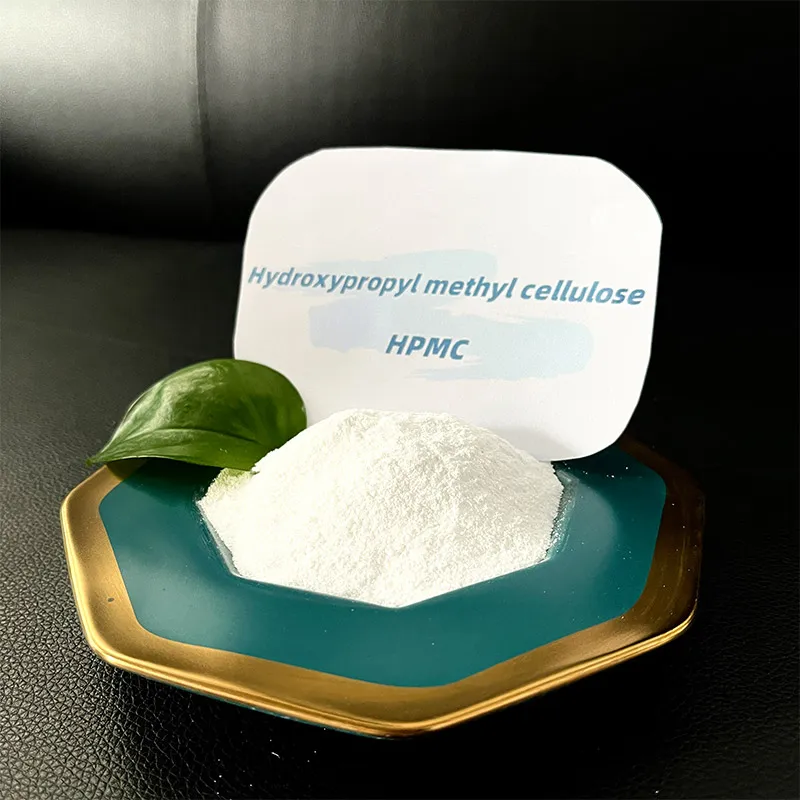
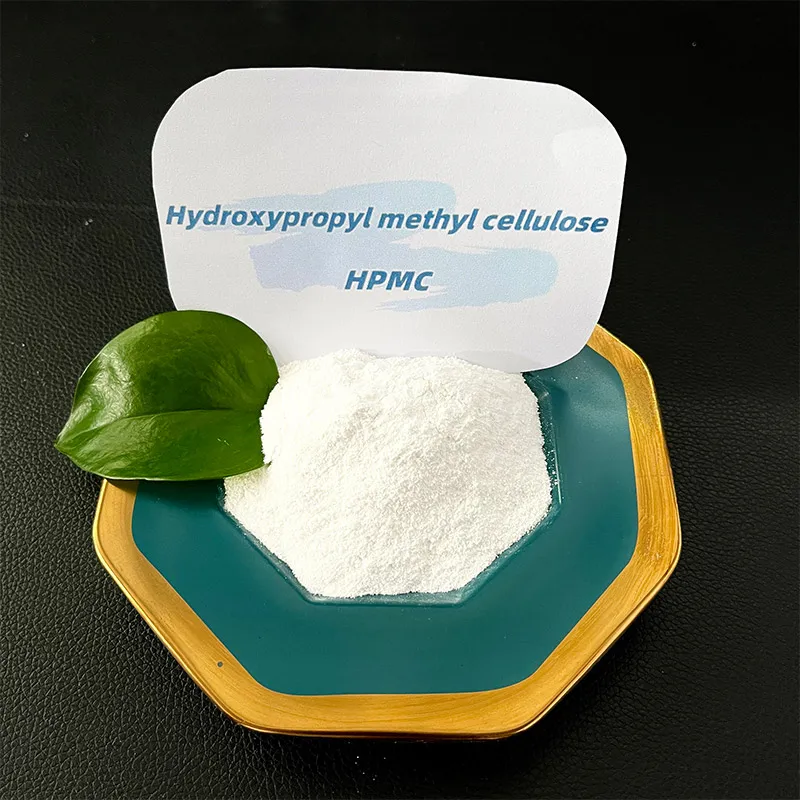
When delving into the world of hydroxypropyl methylcellulose (HPMC), understanding the various grades of viscosity is crucial for selecting the right product for specific applications. As a polymer widely used in construction, pharmaceuticals, and food industries, HPMC's versatility largely stems from its viscosity characteristics. This article aims to provide an authoritative insight into the intricacies of HPMC grades viscosity, helping you make informed decisions for your product needs. Viscosity in HPMC refers to the resistance of the polymer solution to flow, determined by measuring the time taken for the solution to pass through a specified instrument under controlled conditions. Grading is done on a centipoise scale (cP), with each grade reflecting a different viscosity level suitable for distinct applications. Lower grade viscosities, typically between 5 to 100 cP, are often employed in products requiring less thickening and more fluidity, such as in certain food and cosmetic applications. These are ideal for achieving light textures and ensuring seamless integration with other ingredients. As viscosity increases, so does the thickening capability of the HPMC. Mid-range viscosities, from 100 to 10,000 cP, serve as effective binders and stabilizers in personal care products and construction applications like tile adhesives and grout mixes. They provide an optimal balance between flexibility and strength, ensuring that products maintain their integrity under various conditions. In pharmaceuticals, these mid-range viscosities are critical in controlled-release formulations, where they influence the release rate of active ingredients. High viscosity grades, ranging from 10,000 to over 100,000 cP, find their niche in applications demanding maximum structural fortitude, such as in heavy-duty construction materials and high-quality paper products. These grades are engineered to deliver superior performance in terms of water retention, adhesion, and elasticity. For example, in the construction sector, high-viscosity HPMC is pivotal in enhancing the workable life of mortars and plasters, ensuring excellent bonding strength and reducing the risk of premature drying or cracking. hpmc grades viscosity An expert understanding of the viscosity grades of HPMC aligns with the needs of professionals seeking specific performance outcomes. Manufacturers consider these detailed viscosity specifications when formulating products to ensure they meet the exacting standards required by industries reliant on precise texture, consistency, and performance characteristics. Suppliers and end-users alike benefit from well-documented, empirical data accompanying each HPMC grade, reinforcing trust in its efficacy. Furthermore, sourcing HPMC from reliable, certified producers guarantees not only adherence to international standards but also assures that the product has undergone rigorous quality control measures. This aspect is vital for maintaining product integrity, supporting regulatory compliance, and enhancing consumer trust. In conclusion, HPMC grades viscosity is a key parameter influencing the product applications across various sectors . By leveraging a comprehensive understanding of these viscosity levels, experts can optimize product formulations for different industries, reinforcing their authoritative stance in the market. Selecting the appropriate HPMC grade ensures that the end-use application achieves the desired performance, meeting both professional standards and consumer expectations. This expert approach to HPMC usage will not only bolster product quality but will establish a trustworthy brand presence in an increasingly competitive market.
advantages
-

200000 Viscosities
Excellent product
We can produce pure products up to 200,000 viscosities
-

40000 tons
High yield
We don’t stop production all year round, and the annual output can reach 40,000 tons
-

24 hours
Quality service
We provide 24-hours online reception service, welcome to consult at any time
———— Inquiry Form
Schedule A services
-
 hpmc_side_effects
Oct . 25, 2025
The Importance of Wood Cellulose in Modern Applications Wood cellulose, an organic compound derived -
 basement_wall_reinforcement
Oct . 25, 2025
About the Author Dr. Emily Chen , PhD in Material Science with 15 years of experience in cellulose t - hpmc_capsules_uses
Oct . 25, 2025
Redispergable Latex Powder An Innovative Solution in the Coating Industry In recent years, the deman


